
You Make This House a Home
Dark horror VN by JULIAN: wake with amnesia, navigate possessive stranger, 5-day mystery. Demo has 2 routes, no closure. 18+: body horror, manipulation themes. 16k+ words.
Category
Visual Novel
Rating
4.4 / 5
Votes
931
What to expect
A You Make This House a Home guide for understanding the amnesia premise, managing saves across branching routes, handling mature content warnings, and knowing if this dark VN suits you.
What is You Make This House a Home?
You Make This House a Home is a horror visual novel where you wake in an unfamiliar house with complete amnesia. A man you don’t recognize claims to be your lover and insists you live here together. With no memory of your past and no explanation for how you arrived, you must spend the next five days (demo covers two) exploring the house, making dialogue choices, and deciding whether to trust this stranger or find a way to escape.
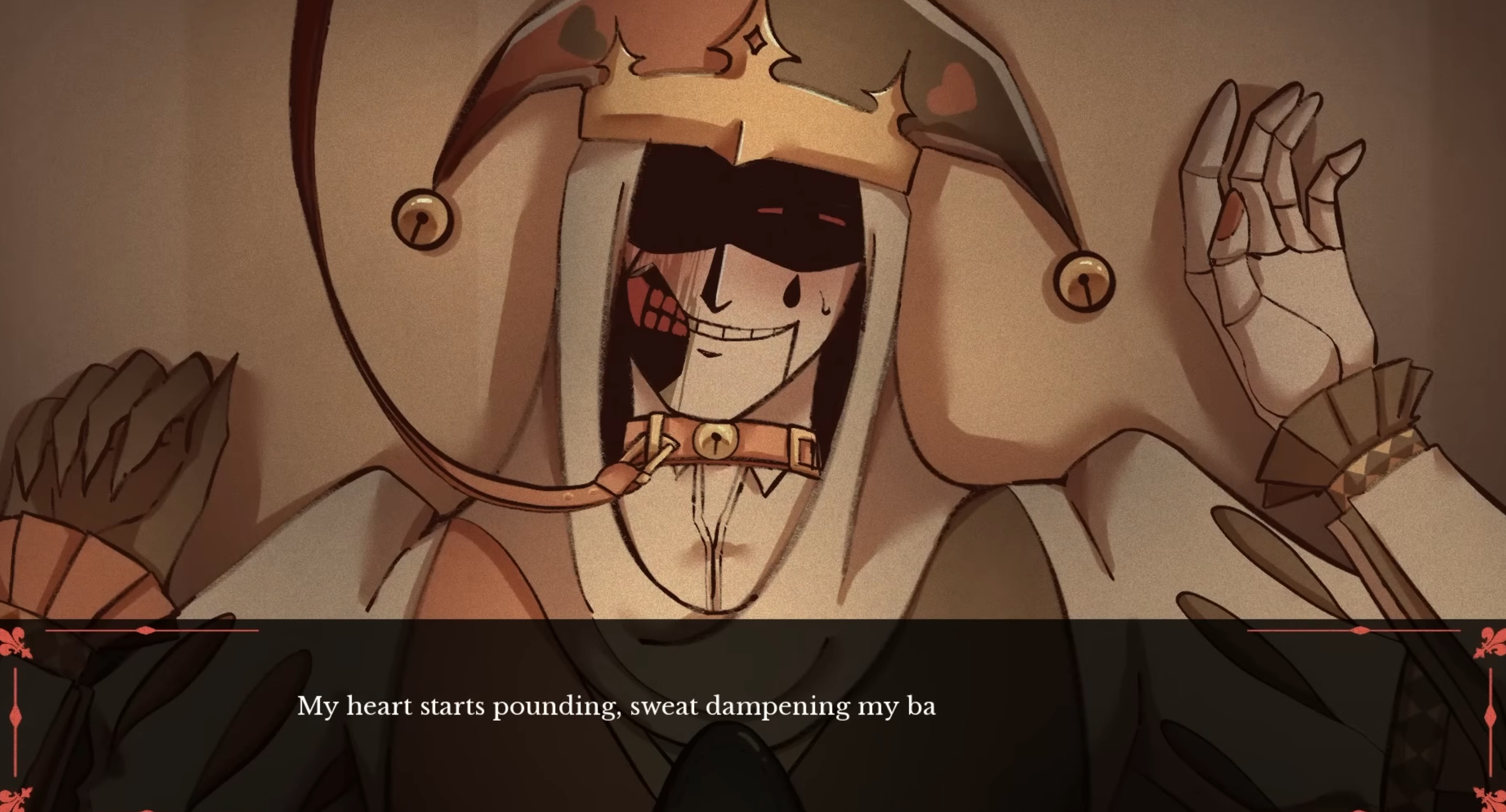
The game is built by JULIAN (JUL1XAN Productions) usingRen’Py and features hand-drawn backgrounds, character sprites, and event CGs. The demo contains 16,000+ words across two full days with two main story routes determined by your choices. The full version plans to cover all five days leading to anniversary event that’s referenced throughout but never fully explained in the demo.
Content warnings are extensive: body horror, gore, unsettling imagery, drug use, forced amnesia, psychological manipulation themes, loud noises, flashing lights, and screen shaking. The game is rated for mature audiences and earned4.8/5 stars from 900+ players on itch.io. The browser version runs via HTML5 without download, though progress saves locally (Safari blocks embedded storage).
How the Amnesia Premise Actually Works
The amnesia isn’t just a plot device—it’s the mechanical foundation. You’re making choices from a position of zero context. The stranger knows your shared history, but you don’t, which creates an asymetric information dynamic where every conversation feels like navigating a minefield. He references events you “should” remember, uses your amnesia to deflect questions, and frames the situation in ways you can’t verify.
This powerlessness is the horror. You’re dependent on someone whose motives are unclear, trapped in a house you don’t remember entering, with a past that’s been erased. The game doesn’t give you omniscient naration or internal monologue clarifying what’s real—you experience the confusion and vulnerability directly. Some players find this immersive; others find it frustrating because you’re making crucial decisions without enough information to feel confident.
Dream sequences provide cryptic clues about your past, but they’re fragmented and symbolic rather than explicit revelations. You’re piecing together identity from scraps while simultaneously managing a relationship with someone who may or may not be trustworthy. The two-day demo ends before major revelations, so you’re left with more questions than answers, which is intentional but unsatisfying if you’re expecting closure.
What Branching Routes and Saves Mean
The two main routes diverge based on how you respond to the stranger’s behavior—whether you comply, resist, or try to extract information. Choices aren’t flaged as route-determining, so you don’t know in the moment which responses lock you into which path. This creates authentic decision-making (you’re choosing based on instinct, not meta-gaming outcomes) but also means first playthroughs often lead to routes you didn’t intend.
The save system is essential. Create multiple save files before major conversations so you can return and explore alternative paths without replaying from the start. The demo’s two-day length makes replay manageable—you’re not investing hours to reach branching points—but without strategic saves, you’ll waste time retreading identical early content just to test one different choice later.
The routes don’t just alter dialogue—they change available scenes, character behavior, and story revelations. One route might give you more agency; another might emphasize helplessness. The demo doesn’t conclude either route with definitive endings, so replay is motivated by wanting to see different interactions rather than reaching distinct conclusions. If you need closure to justify replay, the demo won’t provide it.
How to Play You Make This House A Home
Make Your Choices
- Read through the story text and dialogue to understand the narrative.
- When presented with choices, click on your preferred option to progress the story.
- Your choices affect the direction and ending of the story, leading to different outcomes across the 2 main routes.
- Pay attention to dialogue as it may hint at important decisions.
- The game supports custom MC names and pronoun selection.
Explore the House
- Over the course of 5 days (demo covers 2 days), explore different rooms and areas of the mysterious house.
- Click on interactive elements to investigate.
- Some areas may be locked initially, requiring you to progress through the story or make specific choices to unlock them.
- Examine objects carefully as they may reveal clues about your past.
Experience the Story
- The game features dream sequences that provide cryptic hints about the MC’s past.
- Expect dark themes including body horror, gore, unsettling imagery, and psychological horror elements.
- The game includes loud noises, flashing lights, and screen shaking effects.
- Take breaks if needed.
- Save your progress using the ingame save menu accessible from the home screen.
Who This Horror VN Suits
You Make This House a Home works for players who enjoy psychological horror focused on vulnerability, ambiguity, and power imbalance. If you’ve read other dark VNs with unreliable narrators or amnesia plots and found the uncertainty compelling rather than frustrating, this delivers similar tension. The hand-drawn art by JULIAN creates a distinct visual style that sets it apart from asset-pack VNs, which matters if you value aesthetic cohesion.
It’s less suited to players looking for actionhorrorclear heroes/villains, or immediate payoff. The demo is a preview meant to establish tone and premise, not deliver a self-contained story. You’re signing up for two days of setup with the understanding that resolution comes later. If that structure feels incomplete, wait for the full five-day release instead of playing the demo.
The mature content warnings are genuine. Body horror isn’t just implied—it’s depicted. Gore appears in specific scenes. The psychological manipulation themes involve gaslighting and Stockholm syndrome dynamics. If you’re sensitive to those topics, the warnings aren’t exaggerating for effect. The flashing lights and screen shaking are technical accessibility concerns, not just flavor.
The gender-neutral protagonist with customizable name and pronouns makes the experience more inclusive, but the core horror premise (trapped with a possessive stranger) carries inherent power dynamics that some players find uncomfortable regardless of representation. The game doesn’t romanticize the situation, but it does ask you to inhabit it, which means extended exposure to manipulation and coercion even when your choices resist it.
The RenPy engine ensures reliable saves and standard VN controls, but the HTML5 browser version has limitations. Safari users lose progress between sessions. The game doesn’t support keyboard shortcuts beyond standard RenPy defaults. If you’re used to VNs with extensive QoL features (auto-forward, log history, character glossary), this offers basic functionality without extras.
For another browser horror VN with different mechanical focus, try Kingdom of Marionettes, a puppet theater horror with yandere dynamics and multiple endings.
Share your tips for You Make This House a Home
Share a useful tip, a favourite route, or a correction that can help the next player.
Comments are not collected on this independent fan site.
To report a broken game frame or suggest a guide correction, email [email protected] with the page URL.