
How to Date an Entity
Horror dating sim meets survival VN. Manage Interest Meter with Mrs., an 8-foot entity. 10 total endings (5 bad endings in demo). 15-min runs. 18+ psychological horror themes.
Category
Visual Novel
Rating
4.4 / 5
Votes
897
What to expect
A How to Date an Entity guide for understanding the Interest Meter's pressure, whether 10 endings justify multiple15-minute runs, how horror and romance coexist, and who this hybrid genre suits.
What Kind of Game This Actually Is
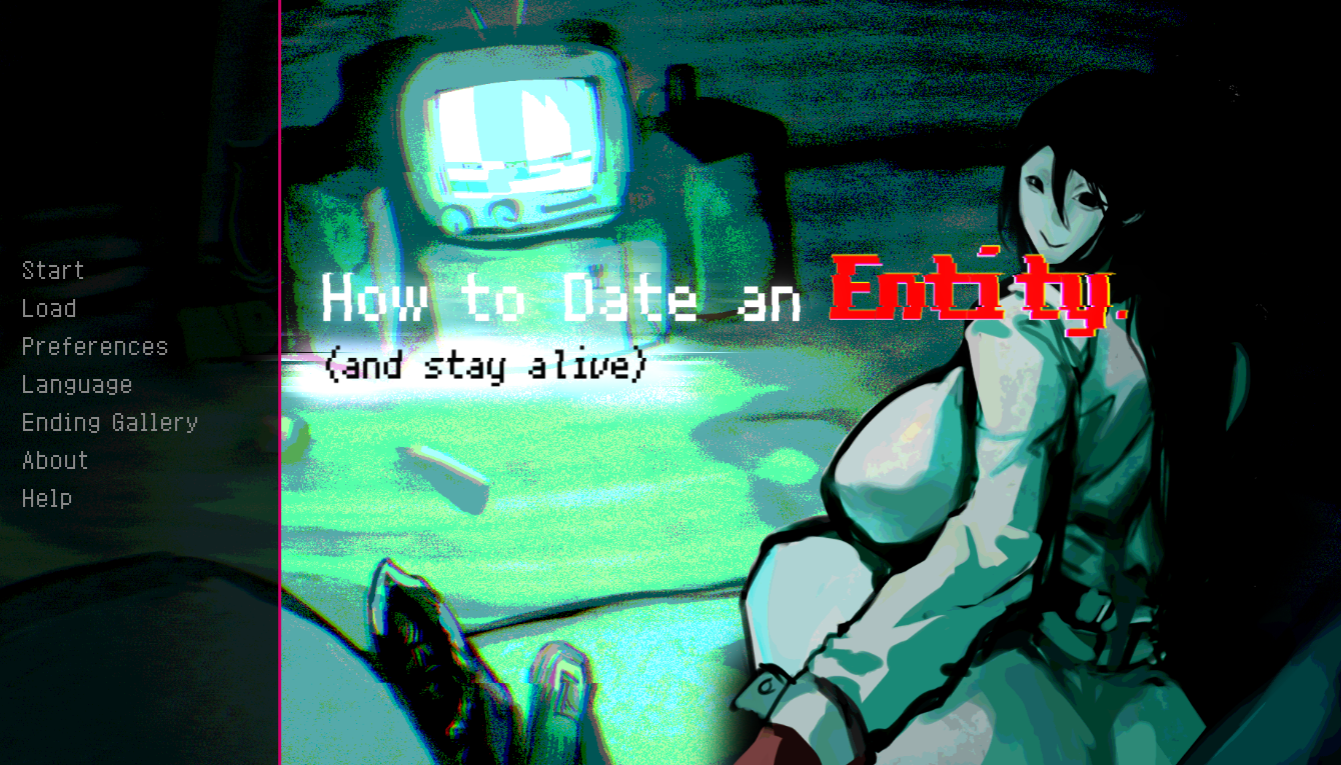
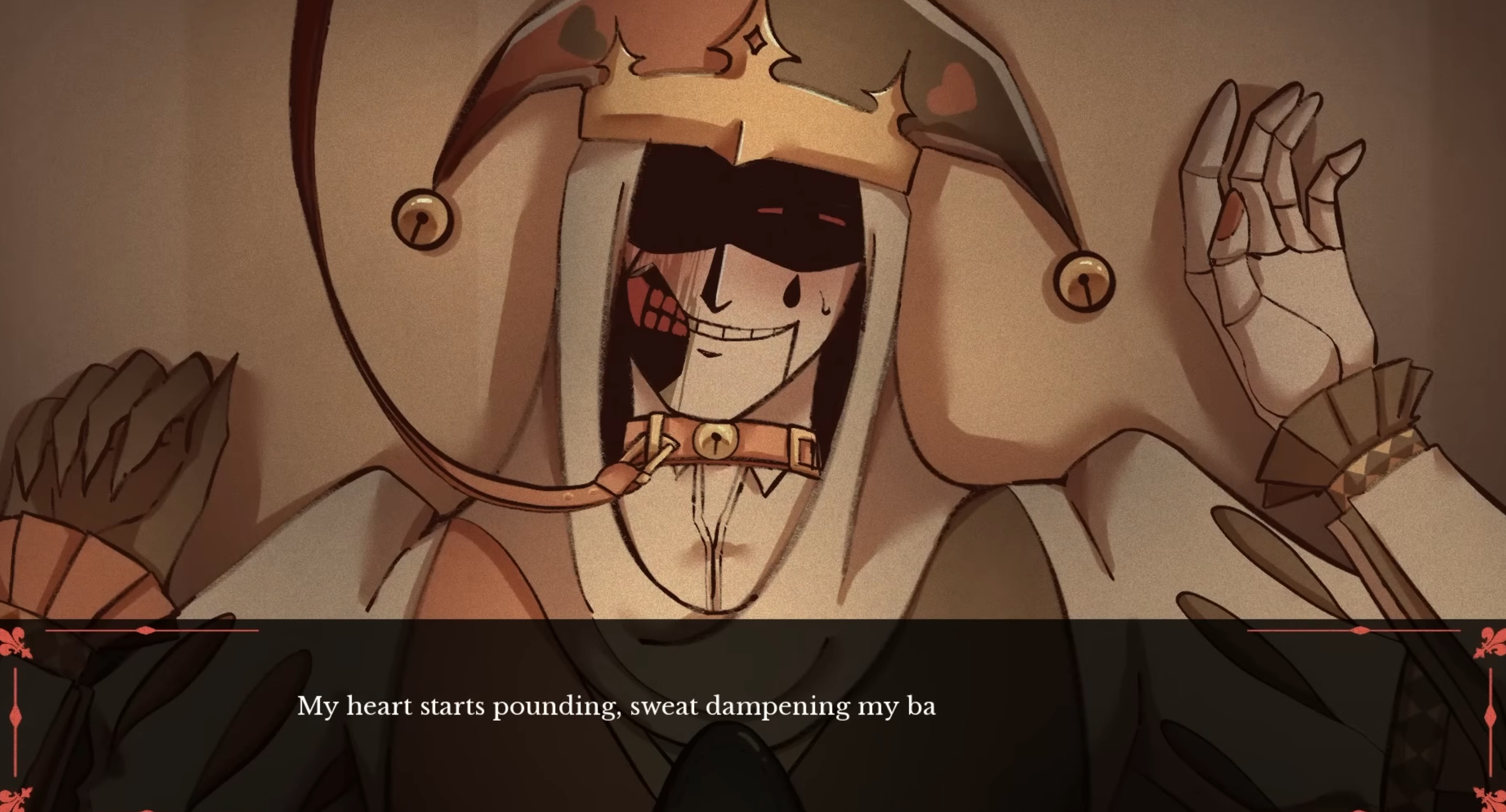
How to Date an Entity is a visual novel that mixes dating simulation with cosmic horror. You play a 25-year-old who’s just been evicted and moves into a new place, where an 8-foot-tall entity named Mrs. appears at your door. Your goal isn’t defeating her or escaping—it’s dating her successfully enough that she doesn’t kill you. The game treats survival as a relationship management problem, which creates tension that’s different from traditional horror or traditional dating sims.
Each playthrough takes 15 to 20 minutes and ends in one of ten possible outcomes. The short runtime means you’re not investing hours before seeing results, but it also means the game expects you to replay multiple times to experience the full story. This structure works if you’re comfortable with the idea that your first few runs are exploratory rather than definitive.
The game tracks your relationship through an Interest Meter that runs from 0 to 100. Every dialogue choice, gift selection, and behavioral decision shifts this number. If it drops too low, Mrs. loses patience. If it stays high, you unlock better endings. The meter isn’t hidden—you can see it change in real time, which adds pressure because you know immediately when you’ve made a mistake.
How the Interest Meter Changes What You’re Doing
The Interest Meter isn’t just a score tracker—it’s a stress mechanic. Traditional dating sims let you replay conversations or reload saves if you pick the wrong option. Here, meter updates live, and once it drops, you’re working uphill to recover. That creates a different kind of tension than “will she kill me if I open this door,” because the danger isn’t a jump scare or a scripted fail state—it’s gradual relationship decay.
The meter responds to subtle cues that aren’t always obvious on your first playthrough. Complimenting Mrs. bosts it, but the wrong compliment can feel hollow and lower it instead. Asking about her feelings helps, but prying too hard feels invasive. The game doesn’t tell you which choices are “correct”—you learn through trial and error across multiple runs, which means early playthroughs often end badly not because you failed mechanically, but because you didn’t yet understand what Mrs. values.
This makes the game feel less like solving a puzzle and more like learning a personality. By your third or fourth playthrough, you start to intuit what will work, but that first run where you’re guessing blindly can feel frustrating if you expected clearer feedback. The game assumes you’re okay with failing as part of the learning process, which isn’t true for everyone.
Whether 10 Endings Are Worth Multiple 15-Minute Runs
The ten endings range from romantic outcomes where you and Mrs. build a genuine connection, to horror endings where things go catastrophically wrong. The variety is real—you’re not just seeing slight dialogue variations, you’re experiencing fundamentally different story arcs. One ending has you ascending to a higher plane of existence. Another has you betraying Mrs. to the SFR Foundation. The tonal shifts are significant enough that replaying feels justified.
The challenge is that reaching all ten endings requires methodical exploration. You need to collect specific combinations of VHS tapes (there are 18 total), hit certain Interest Meter thresholds at key story moments, and make choices that contradict what worked in previous runs. This means if you’re aiming for completion, you’re looking at ten-plus hours of total playtime for a game where each individual run is under twenty minutes.
That structure works well if you enjoy incremental discovery and don’t mind revisiting the same early scenes repeatedly. It’s less satisfying if you prefer games that give you most of the content in a single playthrough. The 15-minute runtime keeps individual runs from feeling like a huge time investment, but the cumulative hours add up if you’re chasing every ending.
How Horror and Romance Coexist Here
The game uses two visual interfaces that swap depending on the tone of the scene. The dating simulation sections use pastel colors, soft music, and traditional visual novel presentation. The horror sections shift to a terminal-style interface with green text on black, white noise audio, and fragmented SFR Foundation documents. This split isn’t just aesthetic—it reinforces the idea that you’re navigating two incompatible realities at once.
Mrs. herself embodies that tension. She’s designed as an eldritch entity—8 feet tall, multiple eyes, abilities like “Cognitive Dissonance Aura” and “Fourth Wall Manipulation”—but the game treats her as a character with emotional needs and relationship expectations. The horror comes from the fact that she’s fundamentally not human and could end you instantly, but the romance comes from her genuine desire for connection despite that power imbalance.
This works if you’re interested in stories that don’t resolve the contradiction between “terrifying cosmic being” and “lonely person seeking companionship.” The game doesn’t try to make Mrs. safe or domesticate the horror—it asks you to hold both truths simultaneously. That’s compelling for some players and tonally confusing for others.
How to Play How To Date An Entity
Collect VHS Tapes and Follow Instructions
- On your 25th birthday, after being evicted, you wake up in your new home when a mysterious woman appears at your door.
- She is actually SFR044, codenamed ‘The Bride’ a cosmic entity.
- Your choices begin immediately:
- open the door or stay silent.
Who This Hybrid Suits
How to Date an Entity works best for players who are already comfortable with visual novels and don’t mind replaying short segments to uncover all content. If you’ve played other multi-ending VNs and enjoyed the process of mapping out different story branches, the structure here will feel familiar. The horror elements add flavor, but the core loop is still “make choices, see outcomes, adjust strategy, replay.”
It’s less suited to players who expect horror games to prioritize atmosphere and dread over relationship management, or who expect dating sims to have longer character development arcs. The 15-minute runtime means character beats happen fast, and the horror moments are brief rather than sustained. If you want either genre to dominate, the hybrid approach might feel diluted.
The game also assumes you’re okay with failing repeatedly as you learn what Mrs. responds to. There’s no walkthrough built into the experience—you’re expected to experiment, fail, and try again. That loop is satisfying if you enjoy discovery, but tedious if you prefer games that give clearer guidance upfront.
For another visual novel with horror elements and branching paths, try Kingdom of Marionettes, which adjusts the tone and structure in a different direction.
Share your tips for How to Date an Entity
Share a useful tip, a favourite route, or a correction that can help the next player.
Comments are not collected on this independent fan site.
To report a broken game frame or suggest a guide correction, email [email protected] with the page URL.