







Orb of Creation
Non-idle incremental: cast spells to generate resources. HSB modifiers stack additively. Hidden overflow mechanics unlock upgrades. 3-4 hours, requires active optimization.
Category
Puzzle Game
Rating
5.0 / 5
Votes
1099
What to expect
An Orb of Creation guide for understanding active vs idle gameplay, how modifier stacking works, using resource overflow mechanics, and whether this incremental puzzle suits your optimization preferences.
What Orb of Creation Offers
Orb of Creation is an incremental game where you cast spells to generate magical resources and unlock upgrade systems. The key difference from idle games is that this requires active engagement—you’re comparing spell outputs, choosing upgrade paths, and optimizing resource flows rather than passively watching numbers grow. The game presents itself as a puzzle where solving it means finding the most efficient spell combinations and upgrade sequences.
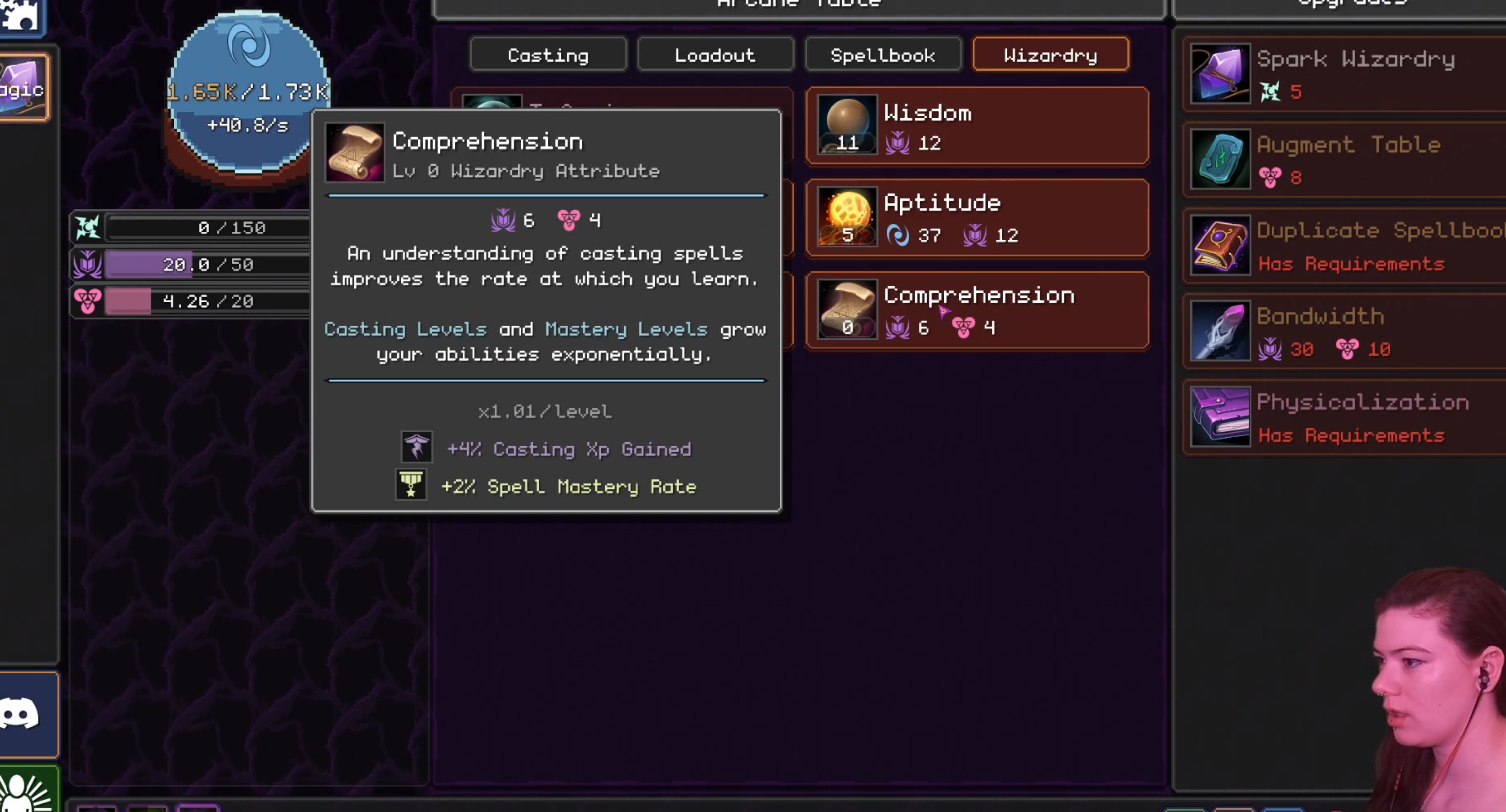
You start with a single orb and a handful of spells. Each spell generates specific resources when cast using number keys1-9. As you accumulate resources, you unlock upgrades that improve spell power, resource capacity, or unlock entirely new systems like Arcana (spell modifiers), Alchemy (resource transmutation), Artifacts (passive bonuses), and Rituals (major transformations). Each new system adds strategic layers without replacing what came before, so you’re constantly revisiting earlier decisions with new information.
The game is built by Marple and runs in a browser without installation. Progress saves automatically, and you can export/import saves if you want to preserve progress across devices or experimental beta versions that occasionally reset.
How Active Gameplay Changes the Experience
In traditional idle games, optimal strategy is often “pick the best upgrade and wait.” Orb of Creation removes the waiting incentive by making time passage irrelevant—resources only generate when you actively cast spells. This shifts the focus from patience to optimization. You’re not grinding time; you’re solving a resource allocation puzzle.
The active requirement means every session feels productive because you’re always making decisions. Compare two spells’ outputs and pick the better one for your current goal. Unlock a new upgrade tier and reassess whether your spell loadout still makes sense. Discover that a modifier you ignored earlier now creates powerful synergies with newly unlocked content. The game rewards you for thinking through the system rather than just executing a checklist.
The tradeoff is that if you’re looking for a game you can leave running in the background while doing other tasks, this won’t deliver that. You need to be present and engaged to make progress. That focus makes sessions more intense but also more time-bounded—you’re playing for as long as you’re actively optimizing, not as long as you’re willing to let numbers accumulate.
How Modifier Stacking Actually Works
Modifiers in Orb of Creation stack additively when they affect the same property. Two +100% spell power bonuses combine to +200% total, not +100% then another +100% on top of that. This keeps the math predictable and prevents exponential scaling from breaking progression.
The strategic depth comes from modifiers that affect different properties stacking separately. If you have +100% spell power and +100% resource spell power, those combine for +300% power specifically on spells that generate resources. This creates optimization puzzles where you’re identifying which modifier combinations create the biggest multipliers for your current goals.
Understanding this stacking behavior is essential because it changes which upgrades are worth pursuing. Stacking identical modifiers gives diminishing returns per upgrade, so diversifying into complementary modifier types often yields better results. The game doesn’t explicitly teach this—you discover it by experimenting and comparing outcomes.
What Resource Overflow Means
Resource overflow is a hidden mechanic where you can temporarily exceed your maximum capacity under specific conditions. This matters because some upgrades cost more than your current cap, which would normally make them unreachable until you increase capacity. Overflow lets you bypass that gate by carefully timing resource generation to overshoot the limit before the game enforces it.
The mechanic is intentional, not a bug. It’s designed to reward players who understand the timing windows and plan their spell casts around reaching specific thresholds. Once you know overflow exists, you can target upgrades that were previously gated, which opens new progression paths that wouldn’t be available if you strictly followed the capacity limits.
The game doesn’t explain overflow explicitly, so discovering it feels like finding a secret. That hidden-knowledge design choice works well for players who enjoy reverse-engineering systems, but it can be frustrating for players who prefer transparent mechanics. If you’re stuck and can’t afford an upgrade that seems essential, overflow is likely the answer.
How to Play Orb Of Creation
Cast Spells with Keys
- Use number keys 19 to cast spells and QWER for other usable abilities.
- Each spell produces different magical resources.
- Watch the results carefully as modifiers stack additively from different sources.
- Experiment with spell combinations to maximize your magical efficiency.
Manage Resources
- Collect and optimize magical resources generated by your spells.
- Upgrade spell power and resource capacity through the upgrade trees.
- modifiers that affect different things stack separately, so combining spell power and resource spell power creates powerful synergies.
Unlock New Systems
- Progress through the game by unlocking new magical panels including Arcana, Alchemy, Artifacts, and Rituals.
- Each new system adds more strategic decisions rather than replacing old ones.
- Return to optimize your spell setup as you discover which resource paths matter most.
Who Orb of Creation Suits
Orb of Creation works best for players who enjoy optimization puzzles and don’t mind active engagement. If you’ve played other incrementals and wished they required more strategic thinking instead of passive waiting, this delivers that experience. The layered systems and modifier interactions create enough depth that finding optimal paths feels satisfying rather than obvious.
It’s less suited to players looking for a traditional idle game they can check periodically. The active casting requirement means you’re either fully engaged or making no progress. There’s no middle ground where you leave it running and come back to see what accumulated. That binary makes it better for focused sessions than background play.
The learning curve is notable. The game teaches through experimentation rather than tutorials, which means your first few hours involve trial, error, and gradual understanding. If you prefer games that explain their systems upfront, the hands-off teaching approach might feel unnecessarily obtuse. If you enjoy discovering how systems work through play, that discovery process is part of the appeal.
The game is actively developed with regular updates adding content. Current players report dozens of hours of progression across multiple systems, but as an ongoing project, some features are marked as incomplete or requiring more development time.
For another browser incremental with different mechanical focus, try Su ika Game Online, a merging puzzle with simpler rules but similar optimization depth.
Share your tips for Orb of Creation
Share a useful tip, a favourite route, or a correction that can help the next player.
Comments are not collected on this independent fan site.
To report a broken game frame or suggest a guide correction, email [email protected] with the page URL.