
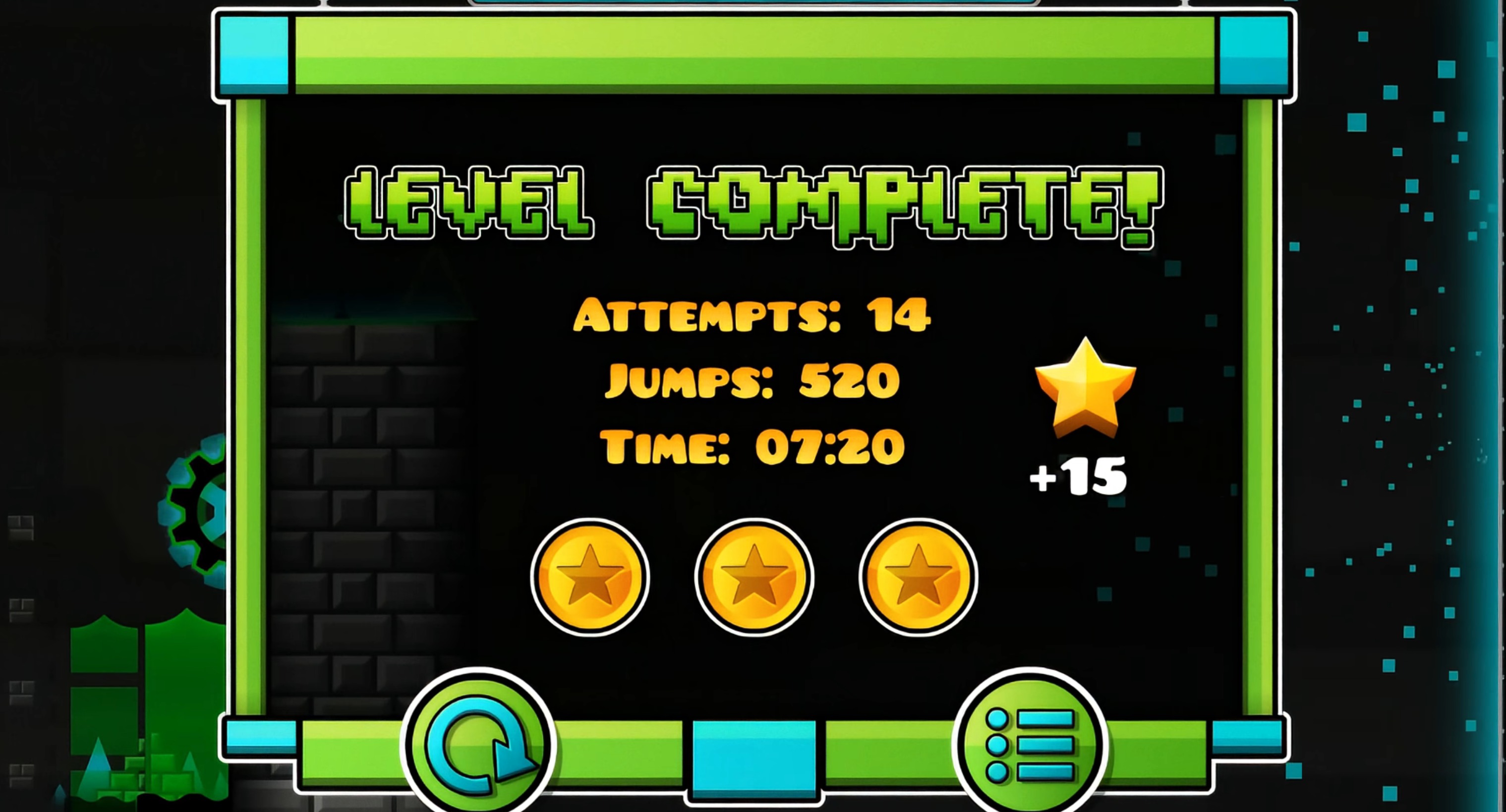
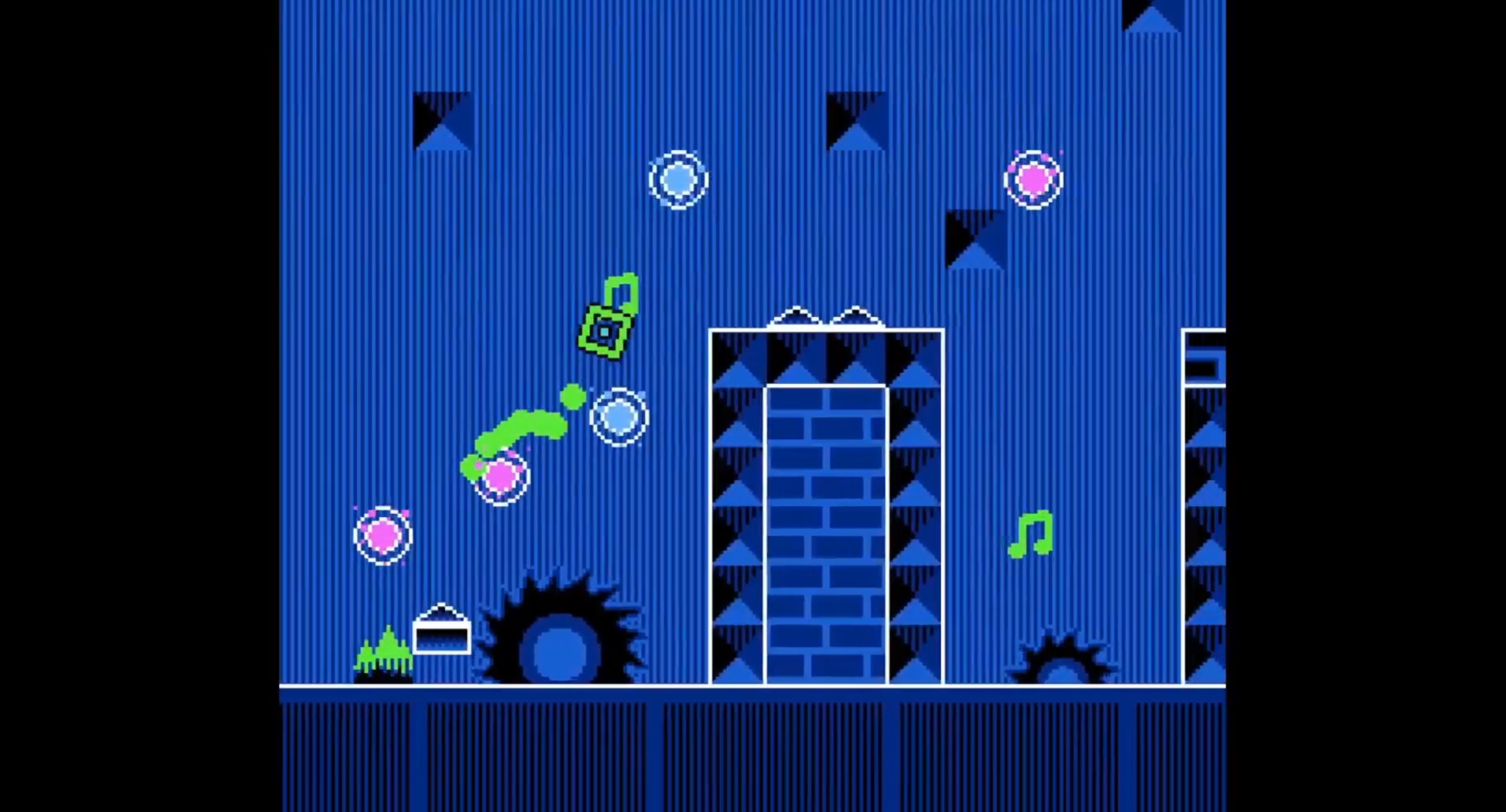

Geometry Dash Razorleaf
HYPERBLAST's nature-themed fan pack: forest, aurora, and ocean levels. Harder than official ratings suggest.9 secret coins, organic obstacle patterns, 1-2 hour completion.
Category
Rhythm Platformer
Rating
4.9 / 5
Votes
1841
What to expect
A Geometry Dash Razorleaf guide for understanding the three-level nature theme, how it compares to other fan packs, why 'harder than official' matters, and who this short pack suits.
What Geometry Dash Razorleaf Offers
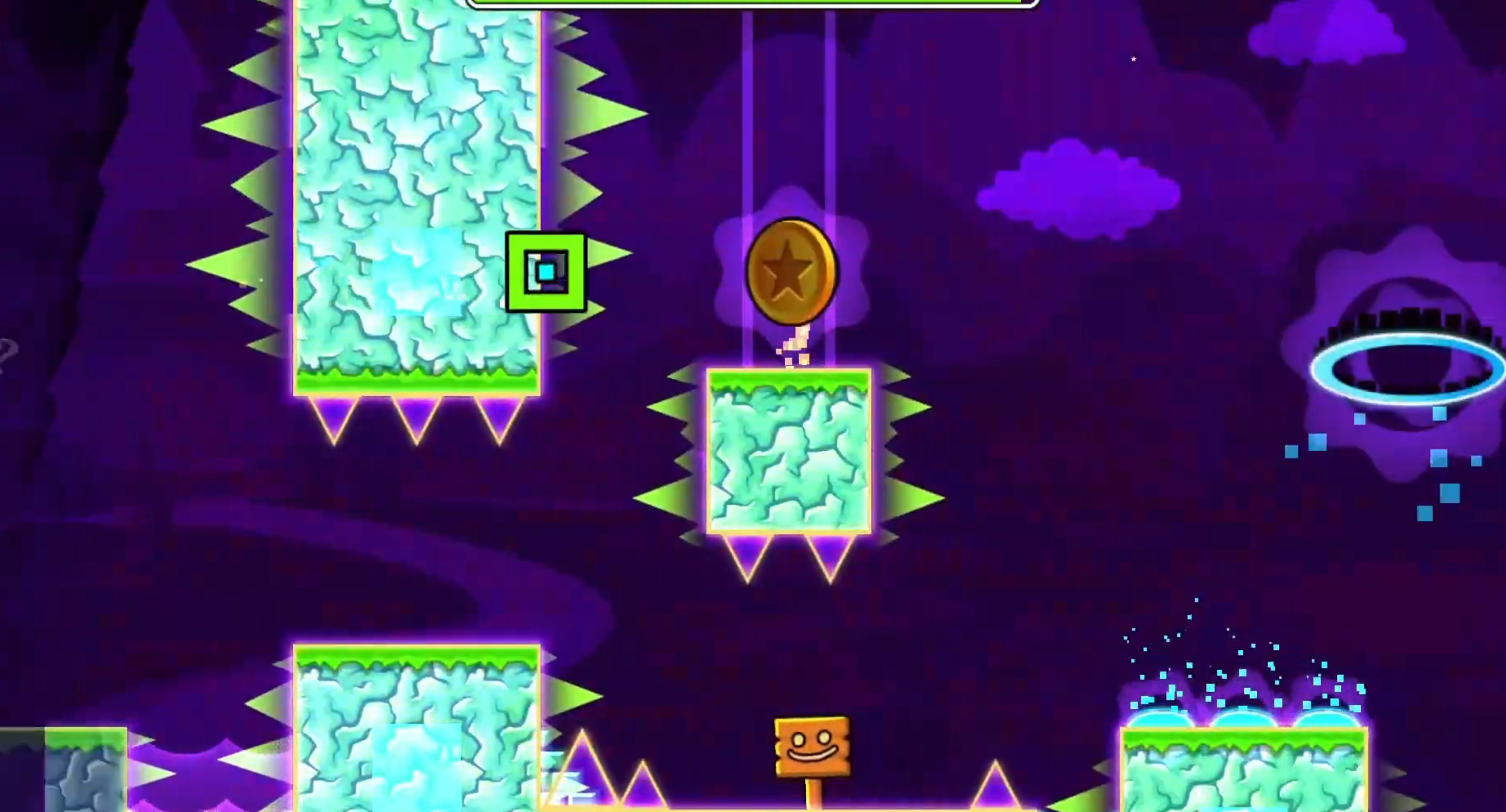
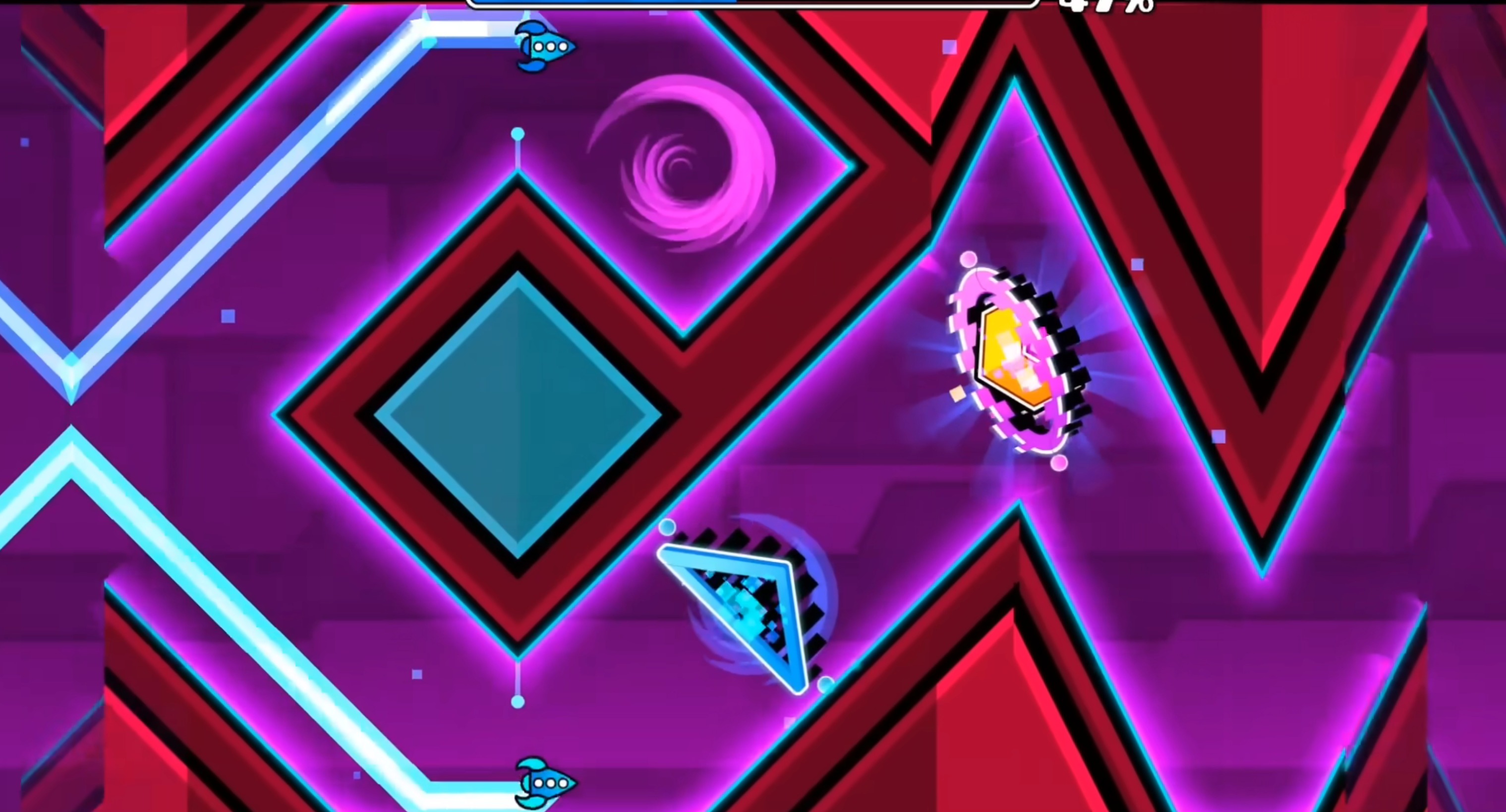
Geometry Dash Razorleaf is a fan-made pack created by -HYPERBLAST- that includes three levels tied together by a nature theme. Leafwood Forest takes you through dense woods with organic obstacle patterns. Aurora Theory uses aurora light visuals and faster scrolling. Ocean Paradise Planet drops you into deep-sea environments with wave-mode heavy sections. Each level has its own musical track and visual identity, but they’re all framed around natural settings rather than the geometric neon aesthetic of most Geometry Dash content.
The three-level structure makes this a shorter experience than packs like Breze (which has ten levels). You can clear all three stages in a single extended session if you’re experienced, or over a few days if you’re still building your skills. The brevity works in its favor if you want a focused thematic experience without committing to a marathon, but it also means there’s less content to explore once you’ve collected all the secret coins.
Each level includes three hidden coins that require detours or precise timing to collect. Finding all nine coins across the pack is the completionist goal, but unlike the official game, there’s no progression system tied to coin collection—they’re achievement markers, not unlock gates.
How the Nature Theme Actually Plays
The nature visuals aren’t just cosmetic. Leafwood Forest uses obstacle placements that mic organic growth patterns—irregular spacing, curved paths, and clusters that feel less grid-aligned than typical Geometry Dash levels. It’s not harder mechanically, but it requires you to read patterns that don’t follow the strict geometric logic you’ve trained on in official levels.
Aurora Theory leans into fast scrolling and sudden brightness shifts that can disrupt your visual tracking. The aurora effects are striking, but they also create moments where obstacles blend into the background if you’re not paying close attention to the foreground layer. This makes it harder to sight-read the level on your first attempt—you need to rely more on rhythm cues and pattern memory than pure reaction.
Ocean Paradise Planet is wave-mode dominant, which means you’re controlling diagonal movement for extended sections. If you haven’t practiced wave mode extensively, this level will expose those gaps fast. The ocean theme translates to undulating obstacle patterns that mirror water currents, which can feel more fluid than the sharp angles in other levels but also harder to predict if you’re used to rigid geometric patterns.
How to Play Geometry Dash Razorleaf
Jump to Survive
- Your character moves forward automatically.
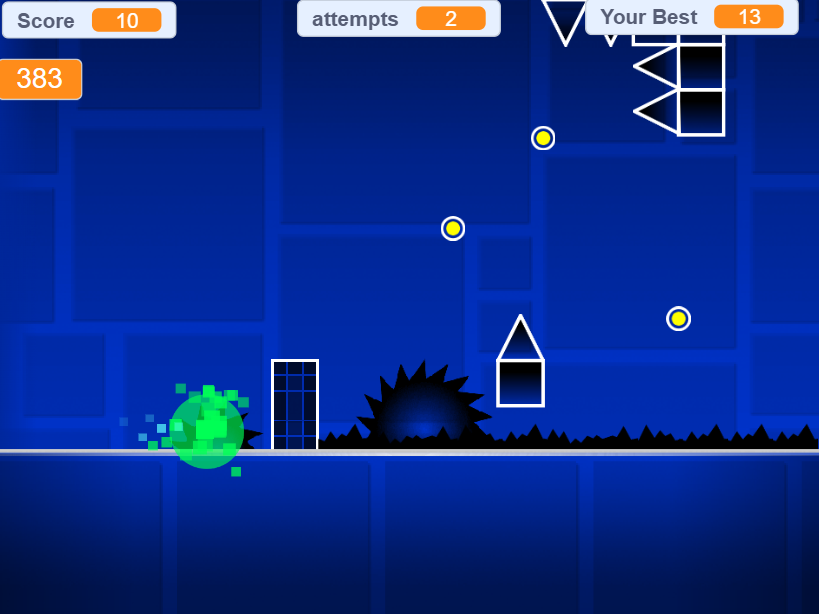
- Tap or hold to jump and avoid spikes, saw blades, and other deadly obstacles.
- Timing is everything sync your jumps with the rhythm of the music to survive each level.
Master Icon Forms
- Transform into different forms like Ship, Ball, and more as you pass through portals.
- Each form has unique controls Ships fly upward when holding, Balls switch gravity.
- Master all forms to conquer every level.
Use Practice Mode
- Place checkpoints anywhere in Practice Mode to learn difficult sections.
- Once you’ve mastered a part, attempt it in Normal Mode to complete the level.
- Collect all three secret coins in each level for extra rewards!
Why ‘Harder Than Official’ Is Worth Noting
The pack description mentions that levels are “more challenging than similar difficulties in the original game,” which is a meaningful heads-up. Fanmade levels aren’t bound by the same difficulty calibration that RobTop uses for official content. That means a fan level rated at, say, six stars might feel closer to an eight-star official level because the creator didn’t have to worry about onboarding new players or maintaining a consistent difficulty curve across dozens of levels.
For Razorleaf specifically, this means the levels assume you’re already comfortable with Geometry Dash mechanics. If you’re still learning how ship mode handles or how to time wave-mode inputs, you’ll struggle more than the difficulty rating suggests. The pack doesn’t teach fundamentals—it tests whether you’ve already mastered them.
This calibration gap is common in fan content. Creators often design for players at their own skill level or higher, which skews the difficulty upward compared to official content aimed at a broader audience. It’s not a flaw, but it does mean you should approach Razorleaf with realistic expectations about your current skill floor.
How It Compares to Other Fan Packs
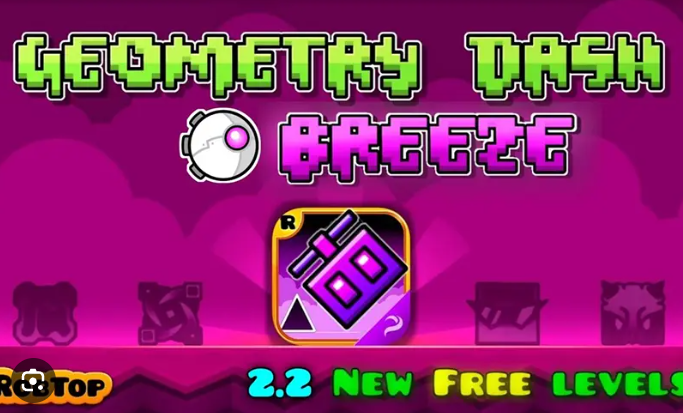
Geometry Dash Breze offers ten levels with a difficulty spread from Normal to Demon, which gives you more content and clearer progression path. Razorleaf gives you three levels with a tighter focus on nature aesthetics and a shorter play time. If you want variety and long-term engagement, Breze is the better choice. If you want a cohesive thematic experience you can finish in one sitting, Razorleaf delivers that.
The tradeoff is replay value. Once you’ve cleared all three levels and collected the nine secret coins, there’s not much reason to return unless you’re chasing personal best times or trying to master specific sections for the satisfaction of clean execution. Breze’s ten levels give you more milestones to work toward, which extends the time before you exhaust the content.
Razorleaf also lacks the multi-creator perspective that makes Breeze interesting—three different designers brought different styles to that pack, which creates variety within the difficulty curve. Razorleaf is a single creator’s vision, which makes it more consistent but also more predictable once you’ve adapted to -HYPERBLAST-’s design patterns.
Who This Pack Works For
Geometry Dash Razorleaf suits players who’ve already cleared multiple official levels and want a short themed challenge without committing to a ten-level grind. The nature aesthetic is a nice change if you’re tired of neon geometric environments, and the three-level structure makes it easy to finish without burning out.
It’s less suited to players who are still learning the basics or who want a long-term progression system. The pack assumes you can already handle wave mode, ship mode transitions, and moderately tight timing windows. If those skills aren’t solid yet, you’ll spend more time frustrated than engaged.
The short length also means it won’t hold your attention for weeks. If you’re looking for a pack that offers dozens of hours of content, this isn’t it. But if you want something you can tackle over a weekend and feel satisfied with completing, Razorleaf hits that mark.
For another fan-made pack with more levels and a different thematic focus, try Breze, which offers ten stages with a broader difficulty range.
Share your tips for Geometry Dash Razorleaf
Share a useful tip, a favourite route, or a correction that can help the next player.
Comments are not collected on this independent fan site.
To report a broken game frame or suggest a guide correction, email [email protected] with the page URL.