TADC Mind Games
Amazing Digital Circus fan VN by PITCHBOX. Navigate Pomni/Kinger/Caine dialogue—all demo endings are bad. 30-min runs teach circus rules through death. No safe route yet.
Category
Visual Novel
Rating
4.6 / 5
Votes
1212
What to expect
A TADC Mind Games guide for understanding the psychological horror approach, reading character mood shifts, learning from bad endings, and knowing if this fan VN suits your preferences.
What TADC Mind Games Offers
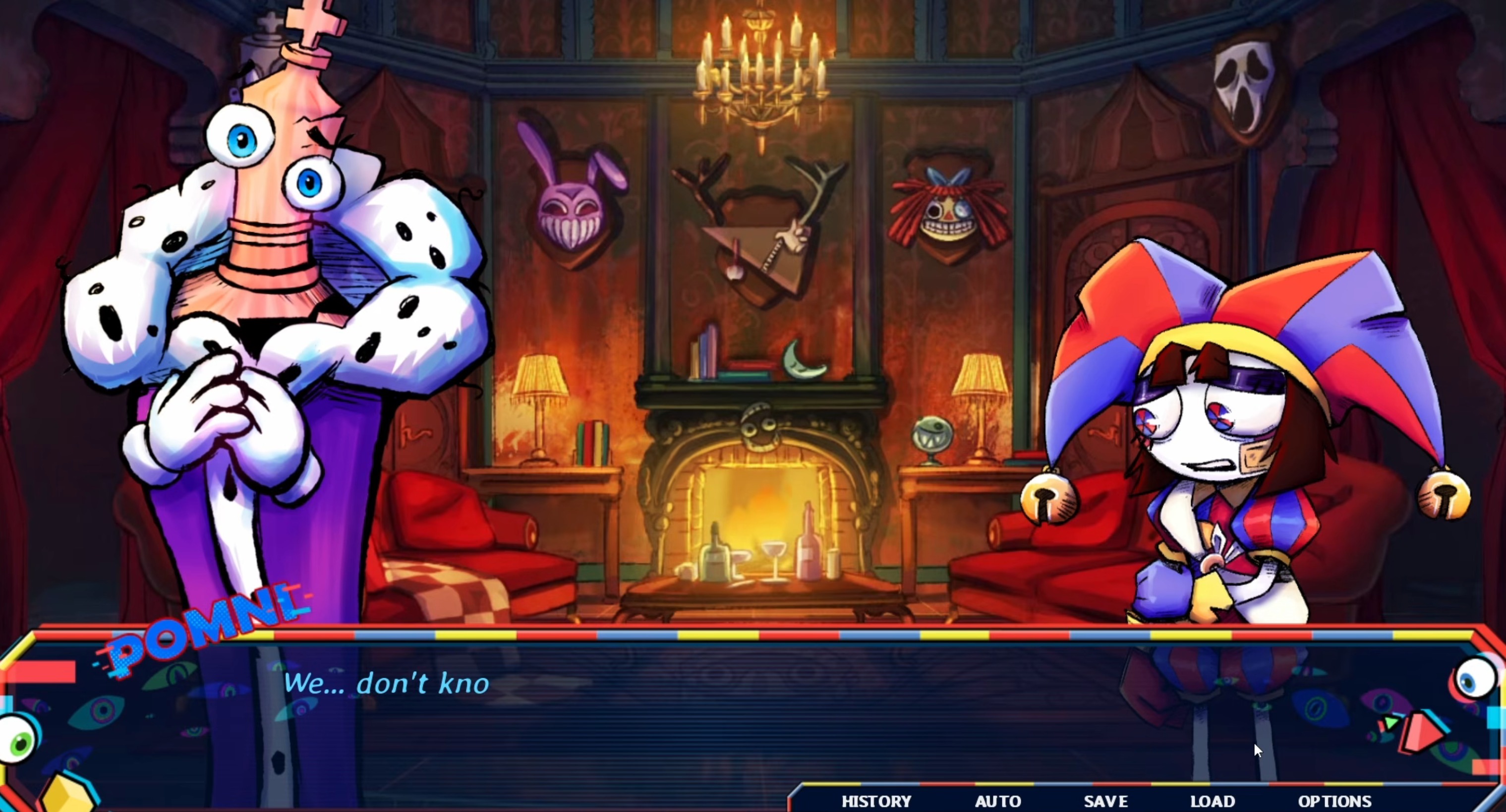
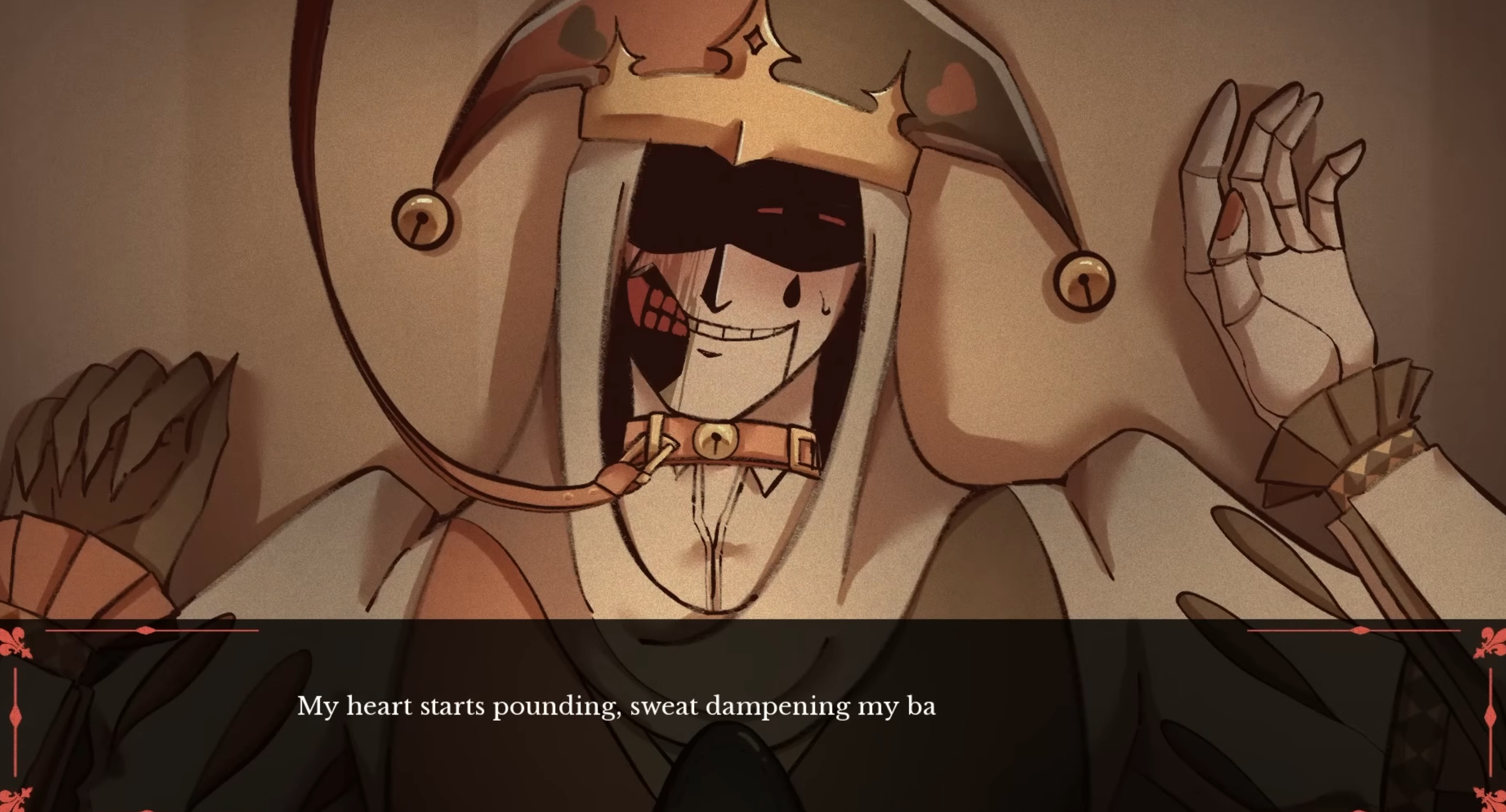
TADC Mind Games is an unofficial visual novel fan game set in The Amazing Digital Circus universe, developed by PITCHBOX Studios. You play as a new character who’s fallen into the digital circus and must navigate high-stakes conversations with Pomni (anxious newcomer), Kinger (deeply eccentric), and Caine (volatile ringmaster). Every dialogue choice affects your survival odds, and the demo includes five confirmed bad endings with no safe routes yet.
The game is psychological horror without jump scares. The tension comes from Caine’s unpredictability, the claustrophobic circus environment, and the constant pressure of choosing dialogue options that won’t trigger escalation. One wrong response can shift a conversation from manageable to fatal. The horror is in uncertainty and mental strain rather than visual shocks.
The demo runs 30 minutes to an hour depending on reading speed and how many routes you explore. It’s browser-playable with no download required, though the downloadable Windows/macOS versions may run smother if you experience browser glitches. Progress saves locally, and the full version is in active development with more characters and endings planned.
How Dialogue Choices Actually Function
This isn’t a kinetic novel where choices are cosmetic. Every response triggers immediate consequences—characters react, tension shifts, and future options open or close based on what you say. The game doesn’t telegraph correct answers with obvious “good” or “bad” flags. You’re reading tone, context, and character psychology to guess which response won’t push someone over the edge.
Caine is the primary danger. He can flip from charming to threatening instantly, and his volatility means safe responses in one context become dangerous in another. The game rewards players who track his mood shifts and recognize when backing down is smarter than asserting yourself. Pomni and Kinger have their own instability patterns, but Caine is the most immediate threat.
The learning curve involves dying. The five bad endings aren’t fail states you accidentally stumble into—they’re teaching moments. Each one reveals something about the circus rules, character motivations, or dialogue patterns that help you make better choices on replay. The game explicitly expects you to fail, learn why, and adjust your strategy. If you’re looking for a VN where you can intuit the right path on the first try, this isn’t designed that way.
What Multiple Endings and Replay Mean
All five demo endings are bad endings—there’s no safe escape yet. The endings range from mental breakdowns to complete digital deletion, and each one shows a different failure mode. Discovering all five requires deliberate exploration of dialogue branches and willingness to test limits even when you suspect it’ll end badly.
Replay value comes from two sources: completionism (see all endings) and optimization (find the least-bad outcome or longest survival time). Some players approach it like solving a puzzle—mapping dialogue trees to understand the ruleset. Others treat it as atmospheric horror they experience multiple times for the tension itself.
The short demo length makes replay manageable. You’re not replaying an hour-long story to reach a branching point—you can test a different dialogue path in under thirty minutes. That accessibility encourages experimentation, but it also means the demo doesn’t have enough content to sustain dozens of playthroughs. Once you’ve seen all five endings and tested the major branches, you’ve exhausted the current content.
How to Play Tadc Mind Games
Make Dialogue Choices
- Read carefully as characters speak and react.
- Your dialogue choices shape the story’s direction.
- What you sayand when you say itbuilds relationships and determines whether you survive or crash out.
- Pay attention to character moods and environmental cues that signal danger levels.
Navigate the Circus
- Explore the surreal digital circus environment while managing interactions with unstable circus members.
- Caine is unpredictable and dangerous, Pomni is anxious, and Kinger is deeply eccentric.
- Each character requires a different approach to conversation and survival strategy.
Unlock Multiple Endings
- The game features several dark endings ranging from mental breakdowns to complete digital deletion.
- Replay to discover different paths, test your limits, and work backward to understand which choices led to disaster.
- Your survival depends on reading the room and knowing when to push or retreat.
Who This Fan Project Suits
TADC Mind Games works for players who enjoy psychological horror visual novels and are already familiar with The Amazing Digital Circus. If you’ve watched the show and want to experience the circus from a trapped character’s perspective, this delivers that immersion. The fan-made nature means it’s free from official canon constraints, which lets the developers explore darker territory than the source material.
It’s less suited to players looking for uplifting or safe VN experiences. The demo has no good endings, and the psychological horror framing means every playthrough involves navigating tense, unpleasant conversations where failure is more likely than success. If you prefer VNs with clear romance routes or power-fantasy choices, this isn’t that.
The PITCHBOX Studios team explicitly states no AI-generated content was used—all art and writing is human-created, which addresses concerns some players have about fan projects. The art style is described as “a big collage” blending multiple contributors’ work, and the UI design has been praised for feeling authentically in-universe.
The demo is a preview meant to showcase tone and mechanics while leaving players wanting more. If you’re expecting a complete narrative arc or resolution, you won’t find it here. The full version promises more characters, routes, and (presumably) at least one good ending, but the demo’s purpose is demonstrating the psychological horror approach and dialogue system rather than delivering a self-contained story.
For another browser horror VN with different mechanical focus, try Kingdom of Marionettes, which mixes horror with yandere relationship dynamics.
Share your tips for TADC Mind Games
Share a useful tip, a favourite route, or a correction that can help the next player.
Comments are not collected on this independent fan site.
To report a broken game frame or suggest a guide correction, email [email protected] with the page URL.